
What an Expert Electrician Wishes Every Homeowner Knew About Wiring Safety
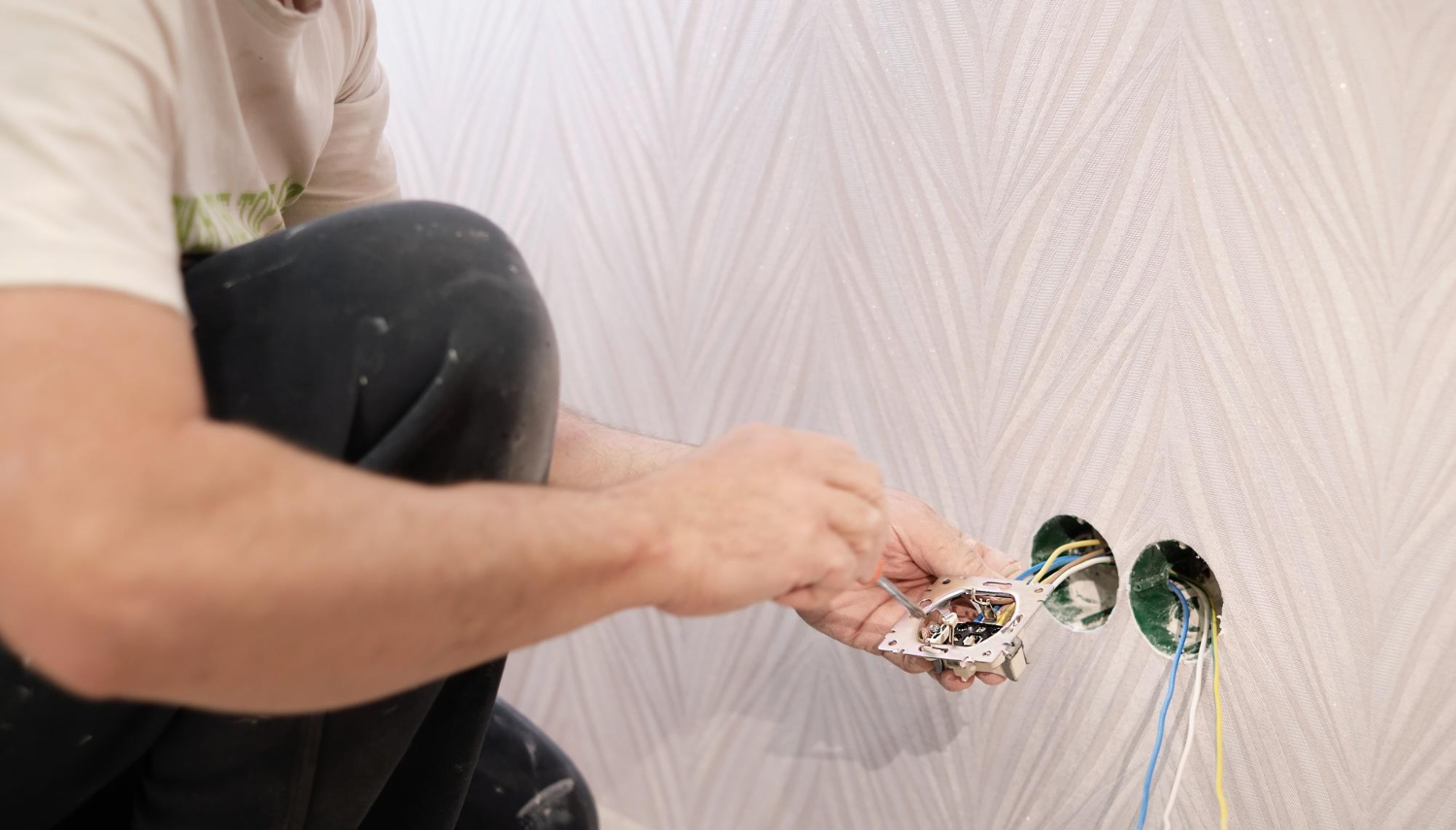
When it comes to your home’s safety, the electrical system is often out of sight and out of mind—until something goes wrong. But waiting for a flickering light or a blown fuse to signal a problem can be a risky game. As electricians who’ve seen it all, we can tell you that most electrical issues are preventable with a bit of knowledge and attention. Whether you’re a new homeowner or someone who’s lived in the same house for years, understanding the basics of wiring safety could save you from costly damage—or worse, a fire. Here’s what we wish every homeowner knew about keeping their wiring safe and sound.
Not All Wiring Is Created Equal
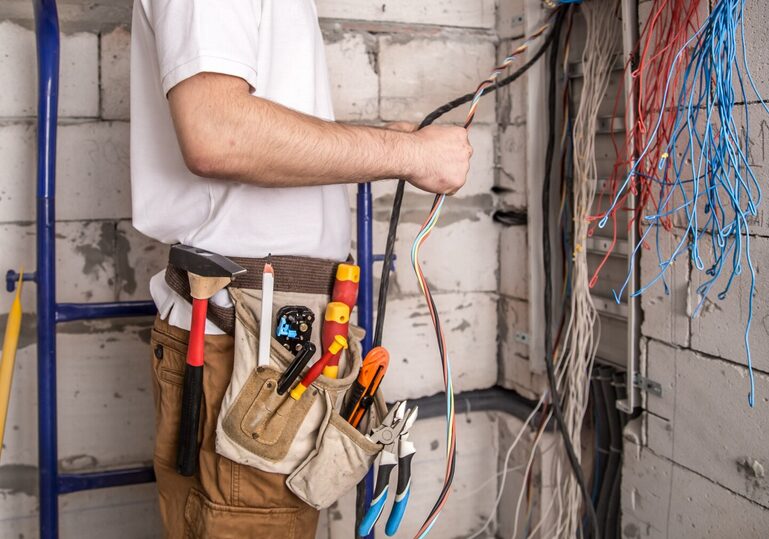
Many homeowners assume that if the lights turn on, the wiring must be fine. Unfortunately, that’s not always the case. Older homes, in particular, often have outdated wiring that can’t handle the electrical load of modern appliances. Aluminum wiring, common in homes built in the 1960s and 70s, is a known fire hazard due to its tendency to oxidize and loosen at connections. If you’re unsure what type of wiring your home has, it’s worth getting a professional inspection. Trusted electrical contractors can assess your system and suggest updates to bring it up to code—and up to speed with your current lifestyle.
DIY Electrical Work Is Riskier Than You Think
There’s a big difference between changing a lightbulb and rewiring a fixture. Homeowners who attempt DIY electrical work without the proper knowledge can easily create dangerous conditions. Even small mistakes, like using the wrong gauge wire or overloading a circuit, can lead to overheating and fires. Always remember that electrical codes exist for a reason. If you’re not licensed or trained, it’s safer (and often legally required) to call in a professional for anything beyond basic maintenance.
Extension Cords Aren’t Long-Term Solutions
Using extension cords to compensate for a lack of outlets is a red flag. They’re designed for temporary use—not for running permanent appliances or powering entire rooms. Long-term use of extension cords can overload circuits and cause them to heat up, especially if the cords are placed under rugs or behind furniture. If you find yourself depending on extension cords, it’s a sign that your home may need additional outlets installed or an upgraded panel to support more circuits.
Circuit Breakers Trip for a Reason
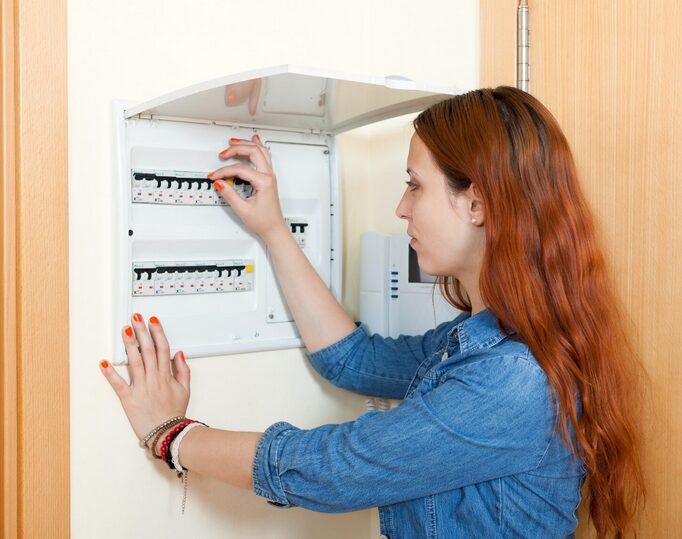
If your breaker trips frequently, don’t just flip it back on and forget about it. Circuit breakers are your home’s first line of defense against electrical overloads. When they trip, it means something’s wrong—either too much current is flowing through the system, or there’s a short circuit. Repeated tripping could point to faulty appliances, worn wiring, or an overloaded panel. Ignoring it doesn’t make the problem go away; it makes it more dangerous. Have a professional diagnose the cause before resetting the breaker again.
Regular Inspections Are Worth Every Penny
Most people only think to call an electrician when something’s broken. But just like a car needs regular oil changes, your home’s electrical system benefits from routine checkups. A licensed electrician can catch early signs of wear and tear, code violations, and outdated systems that may not be safe. Scheduling an inspection every few years—or when buying or renovating a home—can save you from expensive repairs and serious safety hazards down the line.
Your home’s wiring may not be visible, but it plays a huge role in your safety and comfort. Staying informed about wiring issues and prioritizing professional inspections or upgrades isn’t just good practice—it’s a necessity. When in doubt, don’t risk it. A little caution today can prevent a disaster tomorrow.